Overview

Overview

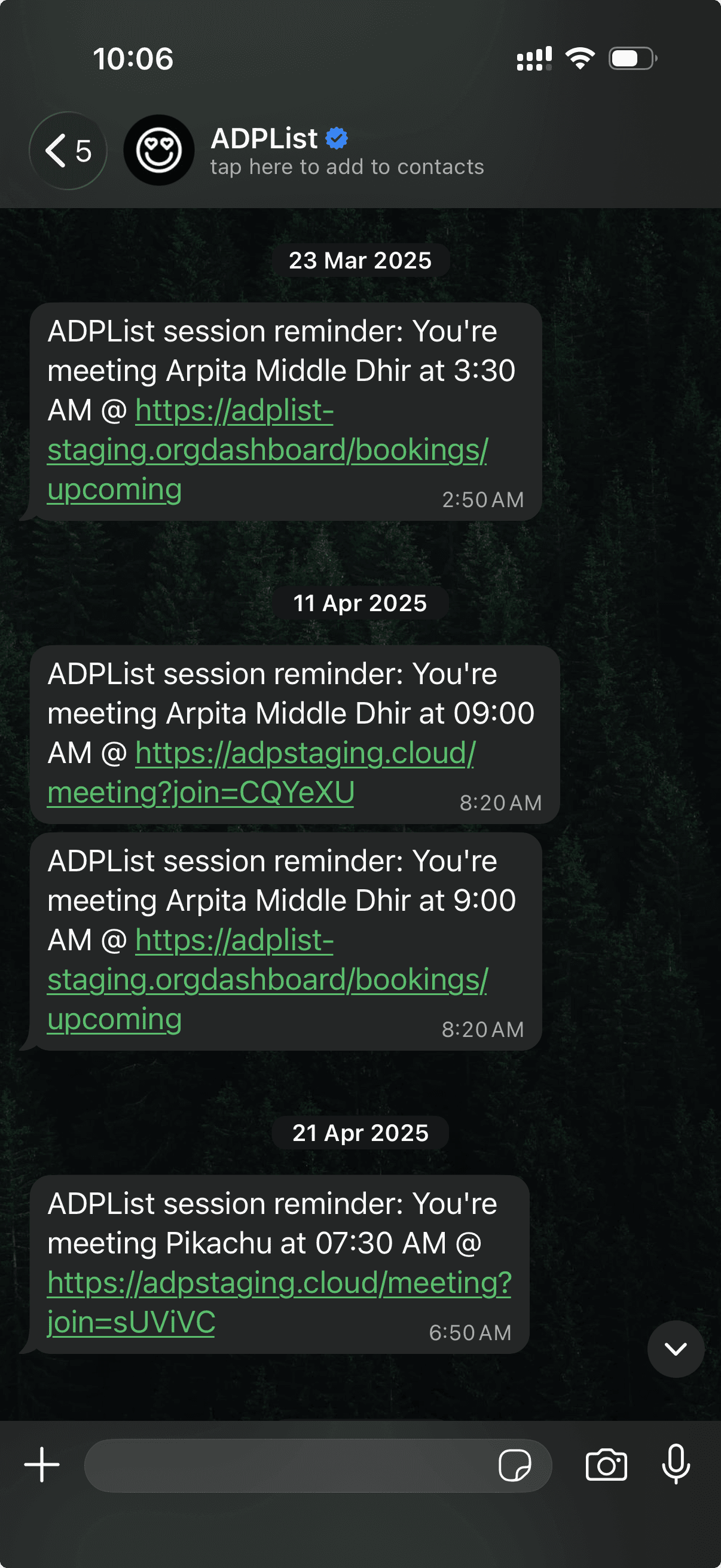
ADPList had in-tool notifications – but they were broken, and only visible if a user was already on the platform. SMS and WhatsApp handled the rest, but scaling them would increase Twilio costs significantly and risk becoming noise. Email was good but not immediate.


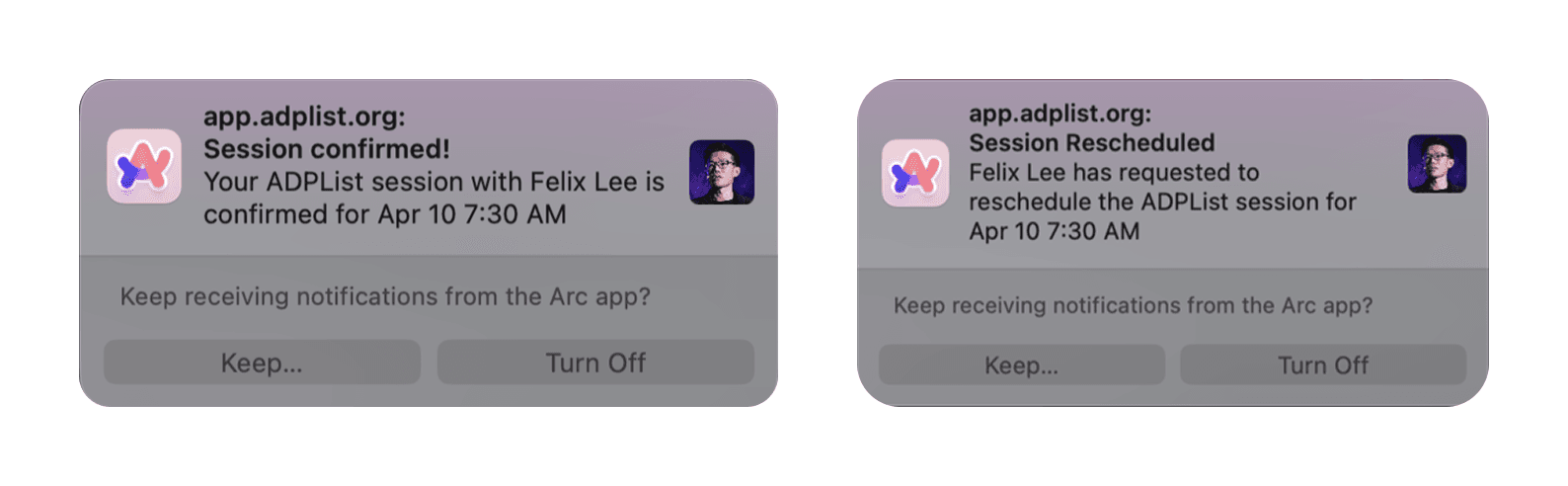
The insight that changed the approach: mentors are almost always on their laptops. Browser notifications could reach them exactly where they already were – on platform, in context, at the right moment. No extra cost, no extra noise, no missed booking windows.

ADPList had in-tool notifications – but they were broken, and only visible if a user was already on the platform. SMS and WhatsApp handled the rest, but scaling them would increase Twilio costs significantly and risk becoming noise. Email was good but not immediate.


The insight that changed the approach: mentors are almost always on their laptops. Browser notifications could reach them exactly where they already were – on platform, in context, at the right moment. No extra cost, no extra noise, no missed booking windows.

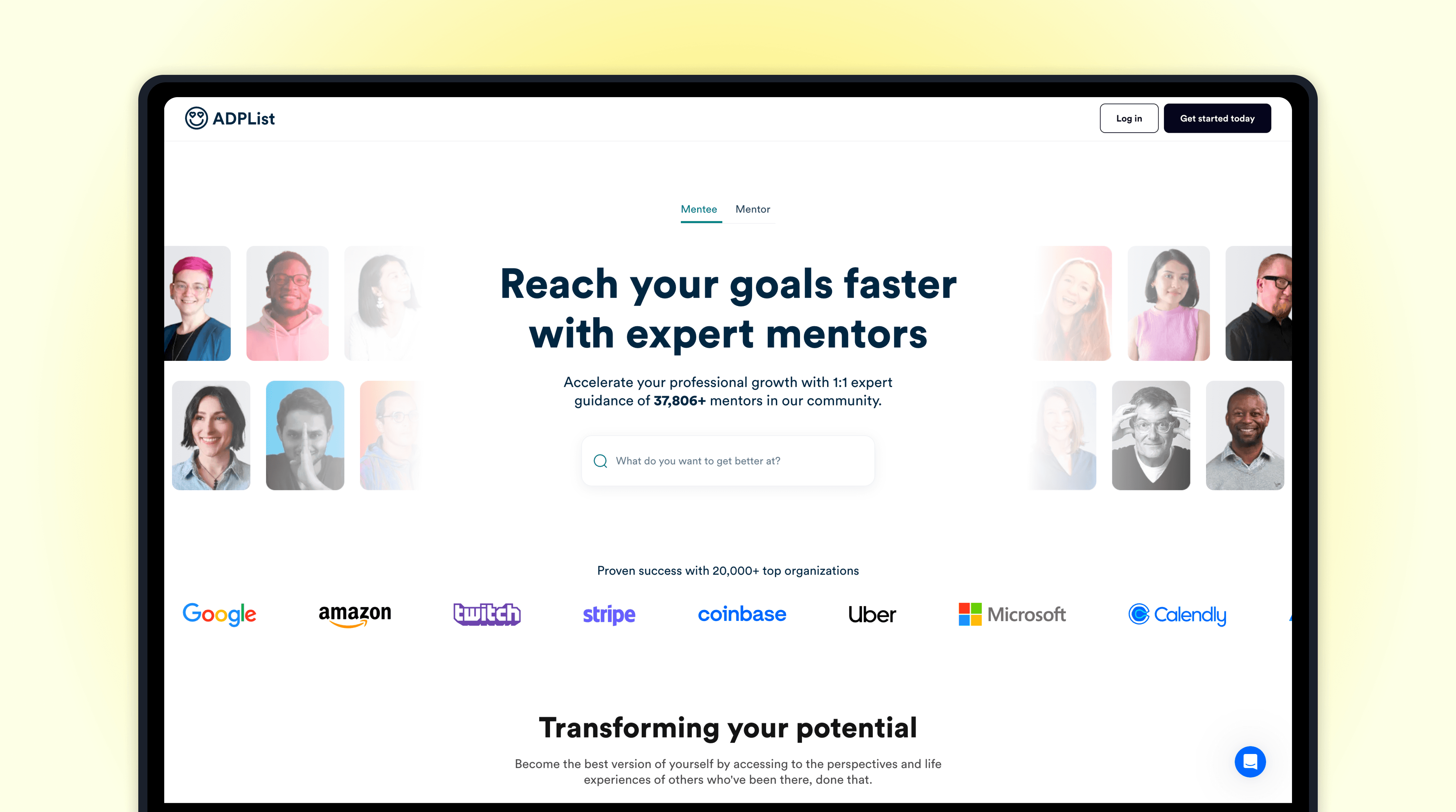
ADPList - a global mentorship platform with 32,000 mentors across 140 countries.

Challenges

Challenges

Missed moments that mattered

Missed moments that mattered

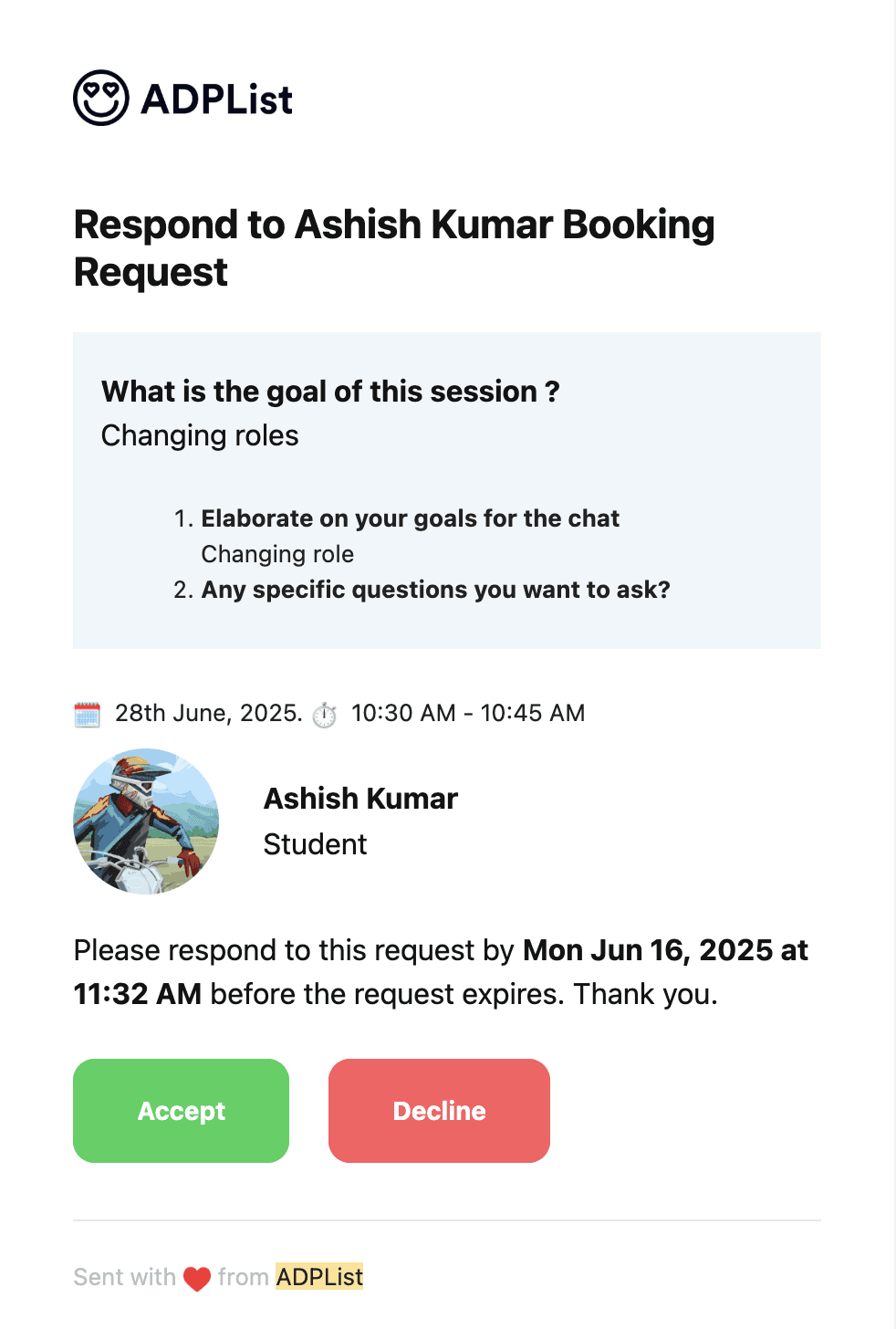
The platform had notifications, they just weren't working where users actually were.


Three compounding failures made real-time alerting impossible.

  • In-tool notifications required users to already be on the platform to see them

  • SMS and WhatsApp coverage was deliberately limited – scaling it would have increased Twilio costs and added noise to an already saturated channel

  • Booking and reschedule windows were expiring silently, with no escalation mechanism to surface urgency before the opportunity closed
Strategy

Meet users where they already were

Meet users where they already were

Meet users where they already were

The insight was simple, mentors are almost always on their laptops. Instead of scaling noisy external channels, we built a browser notification layer that reached users in context — at the right moment, without added cost.
Full Booking Lifecycle Coverage

Full Booking Lifecycle Coverage

Eight notification types covering every state in the booking lifecycle. The logic: every moment where a delayed response costs either party something – confirmation, expiry, reminder, cancellation – gets a browser notification.

Eight notification types covering every state in the booking lifecycle. The logic: every moment where a delayed response costs either party something – confirmation, expiry, reminder, cancellation – gets a browser notification.

Opt-In Entry Points

Opt-In Entry Points

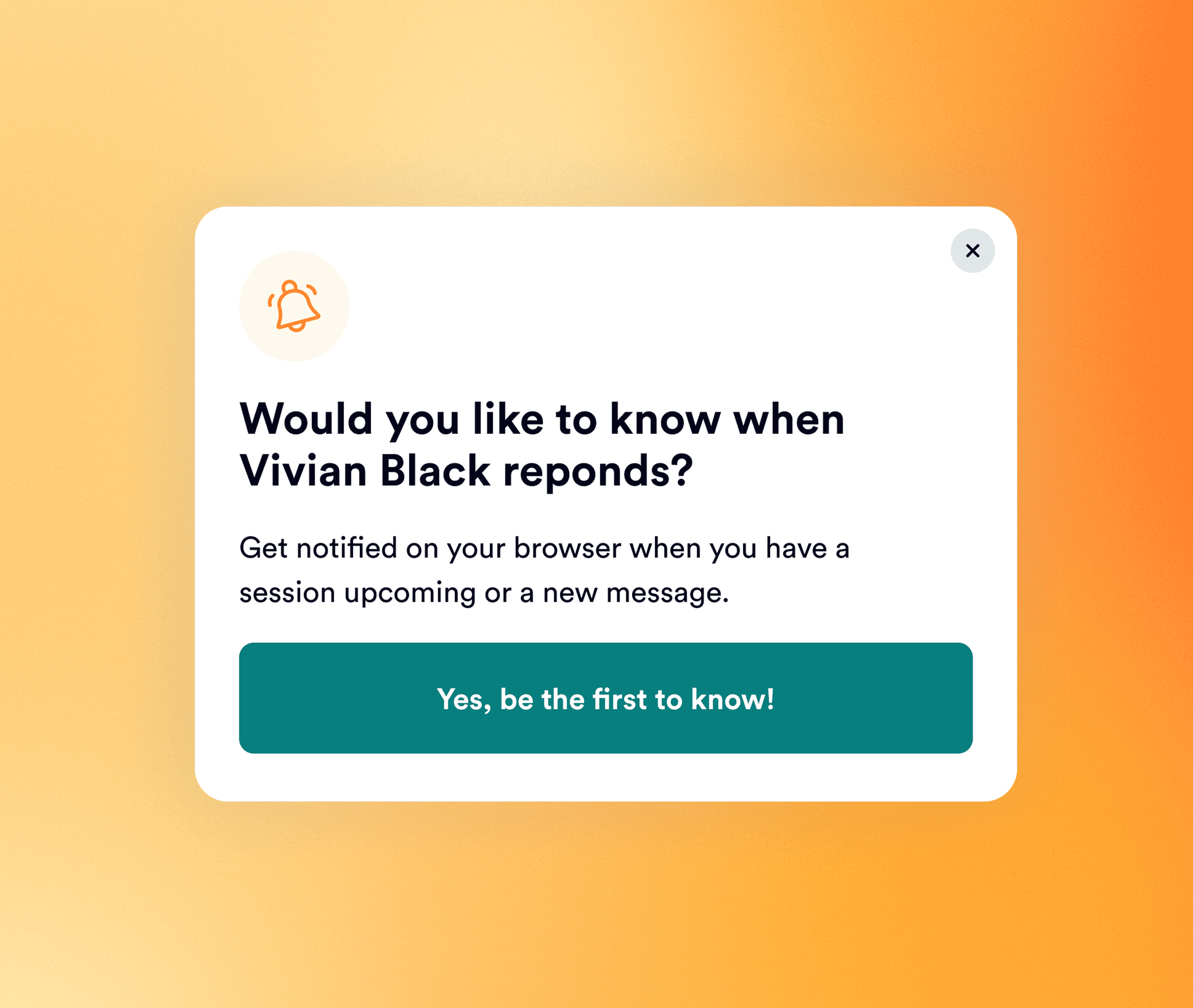
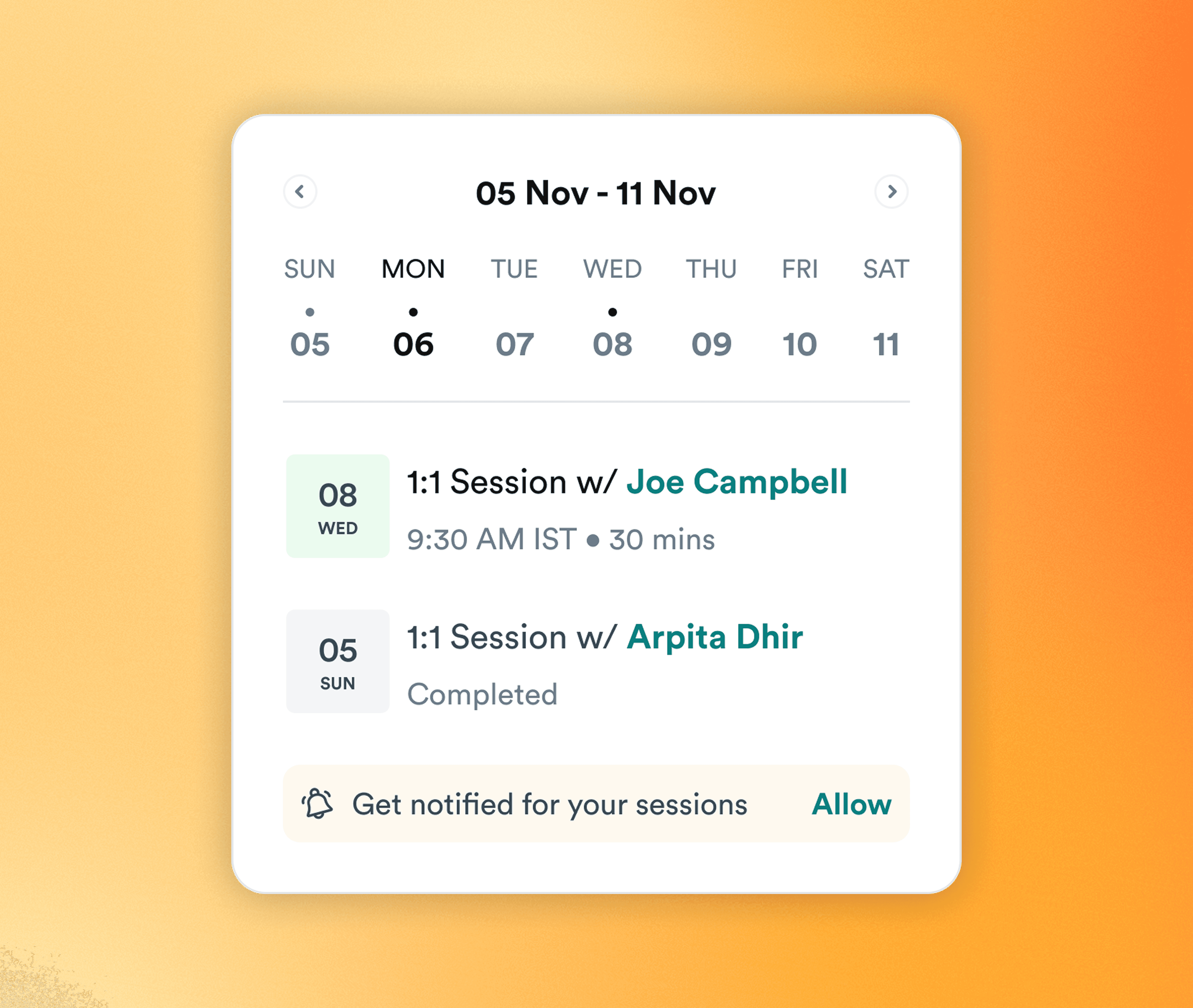
Four surfaces to prompt opt-in – each at a moment of natural relevance, not interruption.

  • Homepage - prompt for new users on first visit

  • Bookings page - persistent banner if notifications are disabled

  • Post-booking request - when a member sends a booking request

  • Calendar widget - banner prompting opt-in at scheduling moment

Four surfaces to prompt opt-in – each at a moment of natural relevance, not interruption.

  • Homepage - prompt for new users on first visit

  • Bookings page - persistent banner if notifications are disabled

  • Post-booking request - when a member sends a booking request

  • Calendar widget - banner prompting opt-in at scheduling moment

Impact

How the Numbers Moved

How the Numbers Moved

How the Numbers Moved

Shipped in 7 days. The clearest signal was when booking expiry reduced and no-shows dropped – directly attributed to timely reminders keeping both parties accountable.

0%

0%

Opt-in rate

0%

0%

Opt-in rate

0%

0%

Improved Session Acceptance

0%

0%

Improved Session Acceptance

0%

0%

Reduced No-Show Rate

0%

0%

Reduced No-Show Rate

Reflections

The biggest lesson was about channel strategy, not notification design. The temptation was to fix what existed – patch the in-tool system, expand SMS.


The better call was to step back and ask where users actually were. Browser notifications weren't the obvious answer – low effort, high reward – this channel switch was the right answer.

The biggest lesson was about channel strategy, not notification design. The temptation was to fix what existed – patch the in-tool system, expand SMS.


The better call was to step back and ask where users actually were. Browser notifications weren't the obvious answer – low effort, high reward – this channel switch was the right answer.